_(1).png)
Basement Reimagined: From Storage to Everyday Living (Ideas That Actually Get Used)
Below is our plain-English guide to turning an underused basement into space your family will actually live in: flexible layouts, low-ceiling fixes, egress planning, and the durable materials we trust in Lake County homes.
(Ready to map your space? Start with Basements Refinishing to see how we design, stage, and build. Peek at finished projects in the Gallery, and compare surfaces in our Flooring Service. If you’re considering a bigger window, exterior stair, or small addition to improve access or light, visit Home Additions for options.)
Step 1: Make It Dry, Bright, and Quiet (the “Three Musts”)
1) Moisture control (before a single paint swatch):
Fix exterior drainage: gutters clear, downspouts extended, soil pitched away from the foundation.
Seal cracks and cold joints; consider interior drain tile or a sump with backup if water’s a known issue.
Add a continuous vapor barrier behind new walls and under new subfloor systems as needed.
2) Lighting the right way:
Use low-profile LED wafers instead of cans to avoid joist interference in low ceilings.
Layer in wall sconces, floor lamps, and under-shelf LEDs to keep corners from feeling “basementy.”
Bounce light with satin or eggshell wall paint; a lighter ceiling is your best friend.
3) Sound control:
Insulate the ceiling with mineral wool for a noticeable reduction in upstairs noise.
Use solid-core doors on mechanical or laundry rooms.
For media areas, add a sound-absorbing panel feature wall (looks cool, works even better).
Step 2: Plan for Egress & Safety (so it’s truly livable)
If you’re adding a bedroom or want a legit hangout space, safe exit and daylight are non-negotiables. Many Lake County basements upgrade with egress windows or walk-out doors that transform the feel of the room. We’ll handle local permits, size requirements, and drainage details around the well. If the layout would benefit from a new opening or exterior stair, we may treat it under Home Additions for structural and waterproofing scope.
Step 3: Choose a Layout That Stays Flexible
The most-used basements aren’t over-built; they’re modular. Think “zones without walls” and furniture that can pivot with the seasons.
Great options that actually get used:
Family Lounge + Media Wall: Low profile console, wall-mounted TV, and a sectional that can be reoriented for game day or sleepovers.
Homework/Studio Nook: A built-in desk under a beam line with task lighting and a magnetic chalk wall.
Play Zone that Grows Up: Closed storage for toys now → guitar amp and crafts later. Use a durable area rug over rigid subfloor + LVP.
Fitness Corner: Rubber tiles or cushioned LVP, wall mirror, simple storage rack. Keep it open so it doubles as stretching or yoga space.
Guest Suite / Future Bedroom: Frame a closet and position near an egress window to future-proof for resale.
Snack & Wet Bar Lite: Under-counter fridge, drawer microwave, sink if plumbing allows. Keeps crumbs downstairs and saves trips.
(Our Basements Refinishing page shows how we phase these zones so you can start small and add features over time.)
Low Ceiling? Here’s How We Make It Disappear
Expose and clean the joists, then paint the entire lid a soft matte white or warm charcoal. It visually lifts the space and preserves height for ducts.
Swap cans for wafers (⅜–½" profile) and keep fixtures aligned to the beam/joist rhythm so it looks intentional.
Use slim vents and reroute “ducktastrophes.” We often re-duct a bulky trunk line to the perimeter to open the main span.
Design with horizontals: Low media cabinets, long benches, and wide art pull the eye sideways, making the room feel broader.
Warm, Durable, Easy-Clean Finishes (Basements’ Best Friends)
Floors (see our Flooring Service):
Rigid Core LVP over a moisture-managing underlayment: warm underfoot, water-resistant, and quiet.
Large-format porcelain for bar, bath, and entry to the yard; tight grout lines keep it sleek.
If you love carpet, use a low-pile carpet tile in the lounge area only—easy to replace a single square.
Walls:
Moisture-aware assemblies with treated bottom plates and foam or mineral wool insulation.
Drywall with washable paint (eggshell). For character walls, consider MDF slats, beadboard, or limewash brick veneer.
Ceilings:
Painted open joists, gypsum, or demountable tiles where you want access (under plumbing chases). Choose tiles with a smooth face—not the office look.
Built-ins that work hard:
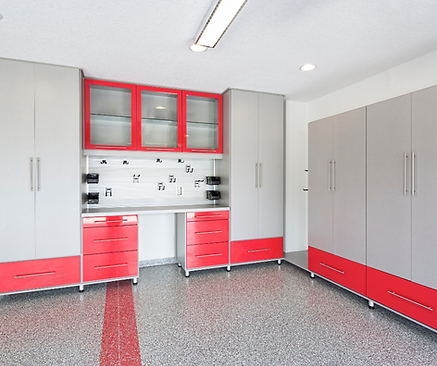
Wall-to-wall storage with full-height doors for totes and seasonal bins.
Open/closed combos near the stairs for fast drop-zones (coats, backpacks, sports gear).
Window seat under an egress window with drawers—light + storage = win.
Air, Heat, and Comfort (so it doesn’t smell like “basement”)
Tie into the existing HVAC with proper returns, not just supplies, to keep air fresh.
Add a whole-house dehumidifier or a dedicated unit; Lake County summers can spike humidity fast.
Consider electric radiant floor heat in the bath or office zone for all-season comfort.
Use a quiet ERV/HRV when adding enclosed rooms—better air, better sleep.
Bath or Laundry Downstairs? Keep It Simple and Leak-Smart
Position baths near existing stacks to avoid unnecessary concrete demo.
Curbless showers are doable with the right pre-slope and linear drain; we’ll handle the slab recess and waterproofing.
Laundry: raise appliances on a pan with a floor drain or leak sensor; add a folding counter and tall cabinet for detergents and brooms.
A Lake County Mini-Makeover (Real-World Example)
A Vernon Hills family had a 700-sq-ft storage-heavy basement with 6'10" head height and a duct trunk slicing the room in half. We:
Shifted the trunk to the perimeter and switched to LED wafers.
Built a media wall opposite a new egress window and tucked a homework nook under the beam.
Laid rigid LVP throughout with porcelain at the walk-out, added a small wet-bar cabinet, and enclosed the mechanicals with a solid-core door and return air.
Result: a bright lounge, a legit desk zone, and storage that finally closes. They now use it every day.
Budget-Smart Upgrades That Move the Needle
Egress window for light + safety → biggest vibe change per dollar.
Lighting + paint refresh → transforms photos and real life.
Rigid LVP + storage wall → instant order and warmth.
Sound insulation at the ceiling → better family coexistence.
Perimeter duct re-route → opens the room without structural work.
Your Basement, Your Way—Without Moving
A well-planned basement means more everyday life at home: movie nights, messy projects, last-minute guest space, and a place for the treadmill that isn’t the bedroom. We’d love to help you design it so it stays useful for years.
Explore Basements Refinishing to see our process
Compare options in our Flooring Service
If you need bigger windows or better access, check Home Additions
Browse real projects in the Gallery
Or start now with a quick Get a Quote—we’ll measure, map options, and make it easy


Comments